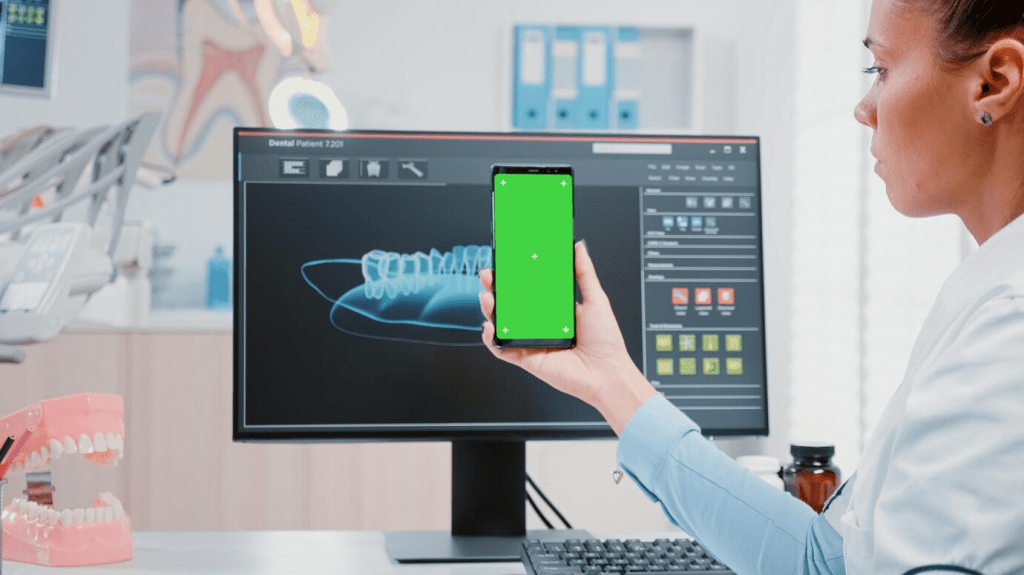
The healthcare industry is undergoing a transformative shift driven by advancements in technology. One of the most remarkable innovations leading this change is the patient monitoring system. These systems have reshaped how medical care is delivered, enhancing efficiency, improving patient outcomes, and enabling timely interventions.
In this blog, we will explore how patient monitoring systems are revolutionizing healthcare, the role of application developers in creating these technologies, and the broader implications for patients and healthcare providers.
Introduction: The Role of Technology in Healthcare
Technology has always been a cornerstone of healthcare innovation, from the invention of X-rays to the development of robotic surgery. Today, the integration of digital tools, particularly patient monitoring systems, has taken center stage in healthcare transformation. These systems enable real-time tracking of patient health data, empowering medical professionals with timely insights.
In a world where chronic illnesses, aging populations, and infectious diseases pose significant challenges, patient monitoring systems offer a solution. They allow medical teams to remotely monitor patients’ vital signs, detect abnormalities, and even predict potential health risks. This not only ensures better patient care but also reduces the burden on healthcare facilities by minimizing unnecessary hospital visits.
Understanding Patient Monitoring Systems
A patient monitoring system is a set of electronic devices and software that tracks physiological data such as heart rate, blood pressure, oxygen saturation, and more. These systems collect, analyze, and transmit data in real time to healthcare providers, enabling them to make informed decisions.
Key Features and Functions
- Real-Time Monitoring: Continuous monitoring ensures that any significant changes in a patient’s condition are identified immediately.
- Remote Access: Many modern systems are integrated with mobile applications, allowing doctors to monitor patients outside clinical settings.
- Data Analysis: Advanced algorithms analyze the data collected, providing healthcare professionals with actionable insights.
- Alerts and Notifications: Systems can trigger alerts for medical teams in cases of emergency, ensuring swift intervention.
The Need for Patient Monitoring Systems
Patient monitoring systems are crucial in today’s healthcare landscape. They are particularly valuable for managing chronic diseases like diabetes and hypertension, where continuous observation is critical. Additionally, these systems have proven indispensable during the COVID-19 pandemic, enabling remote patient care and reducing the risk of virus transmission.
Applications in Modern Healthcare
The adoption of patient monitoring systems has expanded across various healthcare domains. Here are some key areas where they are making a difference:
1. Chronic Disease Management
For patients with conditions such as diabetes, heart disease, and asthma, consistent monitoring is essential. Patient monitoring systems offer an effective way to track disease progression and adjust treatments accordingly.
2. Post-Surgery Recovery
After surgical procedures, monitoring is vital to ensure recovery is progressing as expected. Patient monitoring systems allow healthcare teams to observe patients’ vitals remotely, reducing the need for prolonged hospital stays.
3. Maternal and Neonatal Care
In maternity care, these systems play a critical role in monitoring the health of both mothers and newborns. By tracking parameters like fetal heart rate or maternal blood pressure, complications can be detected early.
4. Elderly Care
Aging populations face multiple health challenges, and patient monitoring systems provide a non-intrusive way to monitor their well-being. These systems can alert caregivers about falls, irregular heartbeats, or other emergencies.
5. Telemedicine Integration
Patient monitoring systems are integral to telemedicine services. By enabling remote health assessments, they ensure that patients in rural or underserved areas receive timely medical attention.
The Role of Application Developers
The success of patient monitoring systems largely depends on the expertise of application developers. These professionals design the software interfaces and applications that power these systems. Their contributions include:
1. Developing User-Friendly Interfaces
To ensure seamless operation, application developers focus on creating intuitive user interfaces for both healthcare providers and patients.
2. Ensuring Data Security
Given the sensitive nature of medical data, developers implement robust security protocols to protect against cyber threats and ensure compliance with regulations like HIPAA.
3. Enabling Interoperability
Application developers work to ensure that patient monitoring systems can integrate with existing hospital systems, electronic health records (EHRs), and other medical technologies.
4. Innovating with AI and Machine Learning
By incorporating artificial intelligence and machine learning algorithms, developers enable patient monitoring systems to analyze complex datasets, predict potential health issues, and offer decision support to clinicians.
Benefits of Patient Monitoring Systems
The advantages of implementing patient monitoring systems are multifaceted, benefiting both patients and healthcare providers:
For Patients:
- Improved Quality of Care: Continuous monitoring allows for early detection and treatment of medical issues.
- Convenience: Remote monitoring reduces the need for frequent hospital visits.
- Empowerment: Patients can track their health metrics, fostering better self-management.
For Healthcare Providers:
- Enhanced Efficiency: Real-time data reduces the time spent on manual monitoring and documentation.
- Cost Reduction: Remote care minimizes hospital readmissions and associated costs.
- Better Decision-Making: Insights derived from data improve diagnostic accuracy and treatment outcomes.
Challenges and Future Directions
While the benefits are clear, there are challenges that must be addressed to maximize the potential of patient monitoring systems:
1. Data Overload
With continuous monitoring, the sheer volume of data generated can overwhelm healthcare providers. Solutions that prioritize critical information and provide actionable insights are needed.
2. Technological Barriers
Not all patients and providers are tech-savvy. Efforts must be made to simplify device usage and provide adequate training.
3. Privacy Concerns
Ensuring data security and maintaining patient confidentiality are paramount. Developers must employ advanced encryption methods and comply with stringent regulatory standards.
4. Access and Equity
Access to patient monitoring systems should be made universal to avoid disparities, especially in low-income or rural areas.
Future Outlook
The future of patient monitoring systems looks promising. Advancements in wearable technology, AI, and cloud computing are expected to drive further innovation. Systems may evolve to include predictive analytics, enabling proactive healthcare rather than reactive care. Additionally, greater collaboration between healthcare providers, application developers, and technology companies will result in more sophisticated and accessible solutions.
Conclusion
The patient monitoring system is a game-changer in the healthcare industry, offering real-time insights, improving patient outcomes, and reducing costs. As technology continues to evolve, the role of application developers in enhancing these systems cannot be overstated. By addressing existing challenges and leveraging future innovations, patient monitoring systems will continue to revolutionize healthcare delivery.
For healthcare providers and technology experts alike, embracing this revolution is not just an opportunity—it’s a necessity. Together, they can ensure that patient monitoring systems remain at the forefront of medical innovation, providing quality care to patients around the globe.
Also, read this article:

 Site Title
Leave a comment