Introduction
In the fast-paced world of modern healthcare, technology has become an essential tool for improving patient care and outcomes. Among the numerous advancements, patient monitoring systems stand out as a transformative innovation. These systems allow healthcare providers to continuously track the health and vital signs of patients, offering timely insights into their condition. By integrating technology with healthcare delivery, patient monitoring systems enhance the efficiency, accuracy, and responsiveness of medical care.
This article delves into the benefits of patient monitoring systems, exploring how they improve patient outcomes, reduce healthcare costs, and empower both patients and providers. As the demand for more effective healthcare solutions continues to grow, understanding these benefits is essential for embracing the future of medical technology.
What Is a Patient Monitoring System?
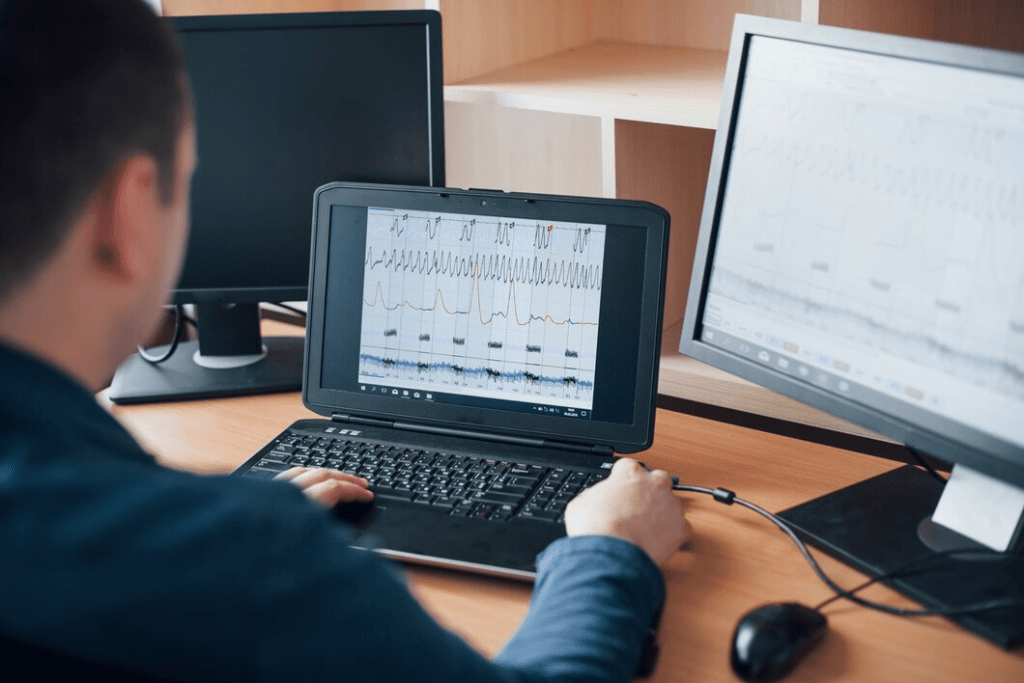
Before diving into the benefits, it’s important to understand what a patient monitoring system entails. These systems consist of medical devices and software that collect, record, and analyze a patient’s physiological data in real-time. Parameters such as heart rate, blood pressure, oxygen levels, and temperature are commonly monitored.
Patient monitoring systems can be used in hospitals, clinics, and even at home, providing flexibility and convenience. With advancements in telemedicine, these systems are now capable of remote monitoring, enabling healthcare providers to track patients without needing them to be physically present.
Benefits of Patient Monitoring Systems
1. Improved Patient Care
One of the primary advantages of patient monitoring systems is their ability to improve the quality of care patients receive. By offering real-time data, these systems help healthcare providers detect abnormalities and respond to potential issues promptly.
For instance, in critical care settings, monitoring systems can identify sudden changes in a patient’s vitals, allowing medical staff to intervene before the situation worsens. This proactive approach reduces the likelihood of complications and improves patient outcomes.
Moreover, continuous monitoring reduces the reliance on manual checks, minimizing errors and ensuring that patient data is accurate and up-to-date.
2. Enhanced Efficiency for Healthcare Providers
Healthcare professionals face the challenge of managing multiple patients simultaneously. Patient monitoring systems alleviate this burden by automating data collection and analysis. This allows providers to focus on more critical tasks while ensuring that all patients are monitored effectively.
In addition, these systems consolidate data into a centralized platform, making it easier for doctors and nurses to access patient information. This streamlined workflow not only saves time but also fosters better collaboration among medical teams.
3. Reduced Hospital Admissions and Readmissions
Remote patient monitoring systems, a subset of patient monitoring technology, play a significant role in reducing hospital admissions and readmissions. By monitoring patients at home, healthcare providers can detect early signs of deterioration and take preventive measures.
For example, patients with chronic conditions such as diabetes or heart disease can benefit from regular monitoring of their health metrics. If an issue arises, the care team can adjust treatments or recommend interventions without requiring hospitalization. This approach not only improves patient satisfaction but also reduces the financial burden on healthcare systems.
4. Cost Savings for Both Patients and Providers
Patient monitoring systems contribute to cost savings in several ways. For providers, these systems reduce the need for manual labor and paperwork, optimizing resource allocation. They also minimize unnecessary diagnostic tests by providing accurate, real-time data.
For patients, remote monitoring eliminates the need for frequent hospital visits, cutting down on travel expenses and time off work. Furthermore, by preventing complications and hospitalizations, these systems reduce overall medical costs, making healthcare more affordable.
5. Empowered Patients and Better Engagement
Patient monitoring systems encourage patients to take an active role in managing their health. With access to their own health data, individuals can track their progress, identify trends, and make informed decisions about their lifestyle and treatment plans.
This empowerment fosters better communication between patients and healthcare providers. When patients are engaged in their care, they are more likely to adhere to treatment regimens and adopt healthier habits.
6. Support for Telemedicine and Remote Healthcare
The integration of patient monitoring systems with telemedicine has revolutionized remote healthcare. These systems enable doctors to monitor patients from a distance, making healthcare accessible to those in rural or underserved areas.
For example, during the COVID-19 pandemic, patient monitoring systems played a crucial role in reducing hospital overcrowding while ensuring that patients received necessary care. This adaptability highlights their importance in addressing global healthcare challenges.
7. Data-Driven Insights for Better Decision-Making
Patient monitoring systems generate a wealth of data that can be analyzed to uncover valuable insights. By identifying patterns and trends, healthcare providers can make evidence-based decisions to improve patient care.
For example, predictive analytics can help identify patients at risk of developing complications, allowing for early intervention. Additionally, aggregated data can be used for research purposes, contributing to medical advancements and improved treatment protocols.
Challenges and Future Prospects
While the benefits of patient monitoring systems are undeniable, there are challenges to consider. Data privacy and security are major concerns, as these systems handle sensitive patient information. Ensuring compliance with regulations such as HIPAA is essential for maintaining trust and protecting patient data.
Another challenge is the cost of implementing and maintaining these systems, particularly for smaller healthcare facilities. However, as technology advances and becomes more affordable, these barriers are expected to diminish.
Looking ahead, the future of patient monitoring systems is promising. Innovations such as wearable devices, artificial intelligence, and Internet of Things (IoT) integration are expected to enhance their capabilities. These developments will further improve the accuracy, accessibility, and efficiency of healthcare delivery.
Conclusion
The benefits of patient monitoring systems extend far beyond the walls of a hospital. By providing real-time data, enhancing efficiency, and empowering patients, these systems are transforming the way healthcare is delivered. Their ability to reduce hospital admissions, support telemedicine, and generate actionable insights underscores their importance in the modern healthcare landscape.
As healthcare continues to evolve, patient monitoring systems will play an increasingly vital role in improving patient outcomes and addressing global health challenges. By investing in this technology and addressing associated challenges, healthcare providers can ensure that patients receive the highest standard of care, regardless of location or circumstance.
Also, read this article:

 Site Title
Leave a comment